Free Quote
Contact us today for your Free Quote
When we think about innovation, it’s easy to picture new technology, artificial intelligence or futuristic solutions. But innovation can also be much simpler: finding a better way to use the resources we already have. For London’s businesses, that can start with something that happens every day in what we eat.
Why food waste matters in London
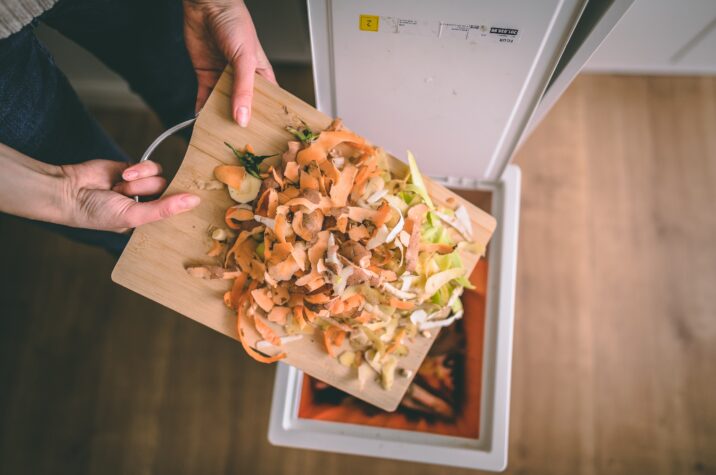
London is a city built around food. From restaurants and cafés to hotels, offices, schools, hospitals and retailers, thousands of businesses buy, prepare and serve food every day.
But this also creates a significant amount of food waste.
London produces nearly 2 million tonnes of food waste every year, according to research published by the Greater London Authority. The same research highlights the environmental and financial cost of this waste, while identifying innovative solutions and separate food waste collection as important ways forward.
For businesses, reducing food waste isn’t just an environmental consideration. It can also mean making better use of stock, reducing unnecessary disposal costs and improving overall resource efficiency.
That’s where innovation comes in.
What does “Innovate today. Nourish tomorrow” mean?
The Food and Agriculture Organization of the United Nations (FAO) describes innovation as more than just new technology. It can involve new or existing ideas, science, data, technology, knowledge and nature-based solutions, with the emphasis on making those solutions practical and accessible.
For a London business, innovation could therefore mean:
- Measuring food waste to understand exactly what is being thrown away.
- Improving stock management to prevent food reaching its use-by date.
- Reviewing portion sizes and menus to reduce avoidable waste.
- Redistributing suitable surplus food rather than sending it for disposal.
- Separating food waste so it can be collected and treated appropriately.
- Using waste data to identify patterns and improve business operations.
None of these require a science-fiction solution. They require businesses to look at their existing processes and ask: can we do this better?
Innovation starts with understanding your waste
One of the most useful places for a business to start is its bins.
A waste audit can reveal what is actually being thrown away, rather than relying on assumptions.
For example, a business might discover that its general waste contains a significant amount of food, cardboard or other recyclable materials. Understanding this composition can help identify opportunities to improve segregation, reduce waste and make collections more efficient.
Our waste audits are designed to give businesses this kind of insight. By examining waste composition, infrastructure and operational practices, businesses can identify where improvements can be made and develop a practical action plan.
You can’t improve what you don’t measure.
From food waste to a resource
Reducing food waste should always be the priority, but not all food waste can be avoided.
When food waste does arise, separating it from general waste is an important part of responsible resource management.
London has been working towards improving food waste collection, with the majority of boroughs meeting or working towards the requirements for food waste collections in 2026. For businesses, this means looking at food waste not simply as something to throw away, but as a separate resource stream that can be managed more effectively.
This shift in thinking is central to the circular economy: moving away from a linear “take, make, dispose” model and towards keeping resources in use for as long as possible.
A more sustainable future for London’s businesses
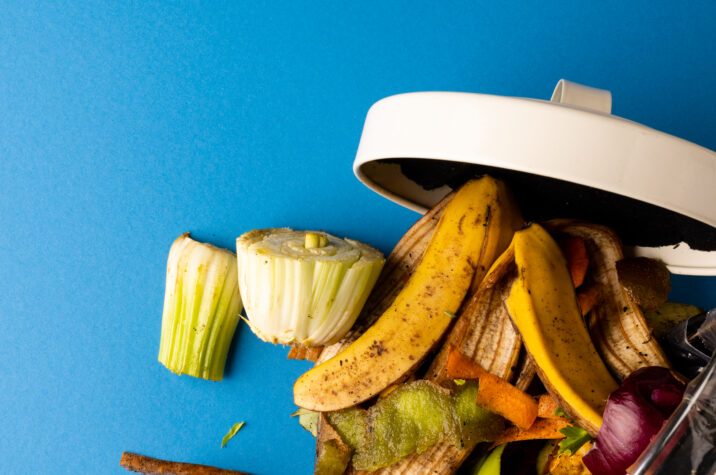
London has a major role to play in creating a more sustainable food system.
The capital produces around 7 million tonnes of waste each year from homes, public buildings and businesses, and the Mayor’s stated ambition is for London to become a zero-waste city.
Businesses are an important part of that journey. Whether you’re running a restaurant in central London, managing a large office in Canary Wharf, operating a hotel, or serving food across a school or healthcare site, the way your organisation manages food waste can make a difference.
And innovation doesn’t have to mean completely reinventing your business.
Sometimes, it’s about making a series of small improvements:
Measure. Separate. Reduce. Reuse. Review.
Over time, those changes can help businesses use resources more efficiently while contributing to a cleaner, more sustainable London.
How do we help London businesses
As a London-based waste management company, Bywaters is committed to finding practical solutions that help businesses manage their waste more sustainably.
Our “London for London” approach focuses on managing waste as close to its source as possible, helping to reduce the carbon emissions associated with waste transportation. Our London operations also include initiatives such as transporting waste by barge and generating renewable energy through solar panels at our East London facility.
For us, innovation means continually looking for better ways to manage resources and support the businesses and communities around us.
This World Food Day, let’s innovate today – and nourish tomorrow.
Want to make your business’s waste management more sustainable? Contact Bywaters to find out how we can help.
More posts:
World Food Day- Innovate to Reduce Food Waste
Celebrate World Environment Day 2026 by joining the global effort to beat climate change. Learn actionable steps you can take, and see how Bywaters is contributing to a cleaner London.
Read more
Tips to Secure Your Bins & Avoid Damage Charges
Properly positioning and handling your Bywaters bins can help prevent damage, reduce the risk of fly-tipping and keep your waste collection area safe and accessible.
Read more
Community Solutions For Drought Resilience: How Working Together Can Secure Our Water
Discover how communities can build drought resilience through water conservation, sustainable landscaping, education, and local partnerships.
Read more
Share: