
Free Quote
Contact us today for your Free Quote
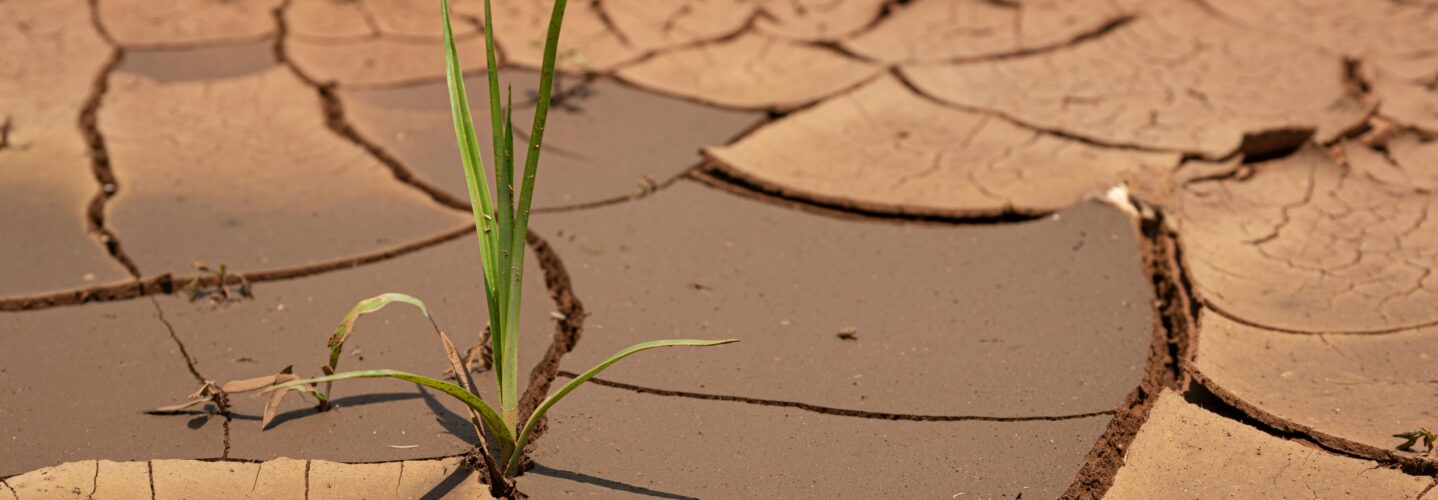
Drought is more than an environmental challenge. It’s a community challenge. While individual water saving efforts are important, lasting change happens when neighbours, schools, businesses, and local organisations work together to conserve water and protect shared resources.
By embracing community drought resilience, towns and cities can reduce water demand, safeguard local ecosystems, and ensure reliable water supplies for future generations.
Why Community Action Matters
Every drop of water saved by one household helps, but when whole communities adopt sustainable practices, the collective impact grows significantly. Community led initiatives can ease pressure on local water supplies, lower infrastructure costs, and strengthen resilience during prolonged dry periods.
Working together also creates opportunities to share knowledge, resources, and innovative solutions that benefit everyone.
Traditional gardens and public green spaces often require large amounts of water. Communities can encourage more sustainable landscaping by:
• Planting native and drought tolerant species.
• Replacing water hungry lawns with climate appropriate alternatives.
• Using mulch to reduce soil evaporation.
• Installing efficient irrigation systems.
• Designing public spaces with water conservation in mind.
Water wise landscapes don’t just conserve water. They also support biodiversity and need less ongoing maintenance.
Education is one of the most effective tools for long term water conservation. Communities can raise awareness by:
• Hosting workshops on water saving techniques.
• Creating educational programmes in schools.
• Sharing practical conservation tips through social media and newsletters.
• Organising community events focused on sustainability.
• Encouraging residents to monitor and reduce household water use.
When people understand how their actions affect local water supplies, they’re more likely to adopt lasting conservation habits.
Businesses also play an important role in community resilience. Simple actions include:
• Installing water efficient fixtures.
• Recycling water where possible.
• Improving irrigation efficiency.
• Training staff on conservation practices.
• Promoting sustainability initiatives to customers.
When local businesses lead by example, they inspire wider community participation.
Successful drought resilience depends on collaboration. Partnerships between local councils, environmental organisations, schools, businesses, and residents can:
• Develop shared water conservation goals.
• Coordinate drought response plans.
• Restore local wetlands and waterways.
• Organise tree planting and habitat restoration projects.
• Apply for sustainability grants to fund community initiatives.
Collaboration ensures that knowledge, funding, and resources are used effectively. Outdoor water use can increase significantly during dry weather.
The best time to prepare for drought is before water shortages occur. Communities can strengthen resilience by:
• Developing emergency water management plans.
• Monitoring local water supplies.
• Upgrading ageing water infrastructure.
• Detecting and repairing leaks quickly.
• Encouraging households to create water saving action plans.
Preparation reduces the social, environmental, and economic impacts of future droughts.
Building community drought resilience isn’t about one large project. It’s about many people making small, consistent changes that add up over time.
Whether it’s planting native gardens, educating young people, harvesting rainwater, or supporting local conservation initiatives, every effort contributes to a stronger, more sustainable community.
By working together today, we can protect our water resources, strengthen climate resilience, and create healthier communities that are better prepared for tomorrow’s challenges.
Read More

Tips to Secure Your Bins & Avoid Damage Charges
Properly positioning and handling your Bywaters bins can help prevent damage, reduce the risk of fly-tipping and keep your waste collection area safe and accessible.
Read more
Community Solutions For Drought Resilience: How Working Together Can Secure Our Water
Discover how communities can build drought resilience through water conservation, sustainable landscaping, education, and local partnerships.
Read more
Reducing Your Water Footprint Beyond The Tap: Simple Ways To Save Water During A Drought
At Bywaters, we put sustainability first, assisting organisations. Reducing hidden water use helps protect water resources, supports ecosystems, and ensures there is enough water for communities and agriculture.
Read more
Share: