Free Quote
Contact us today for your Free Quote
Every year on the 18th of March, the world unites for Global Recycling Day. Established in 2018 by the Global Recycling Foundation, this day is a powerful reminder that what we often dismiss as rubbish is actually a vital lifeline for our planet.
As we face an unparalleled climate emergency, we are calling on businesses and individuals to stop seeing waste and start seeing the Seventh Resource.
The Power of the Seventh Resource
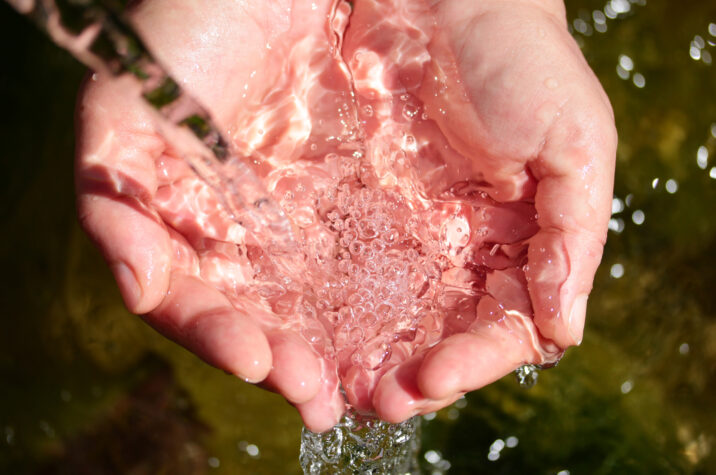
We are all familiar with the six primary natural resources: water, air, coal, oil, natural gas, and minerals. But as these finite resources run out, recycling has stepped up as the Seventh Resource.
The impact is measurable and massive:
Carbon Combat: This Seventh Resource currently saves over 700 million tonnes of CO2 emissions annually, a figure projected to hit 1 billion tonnes by 2030.
Energy Efficiency: Recycling just one tonne of aluminium saves up to 95% of the energy required to create it from scratch.
Conservation: According to WRAP UK, recycling a single tonne of paper saves 17 trees, 4,000 kilowatts of energy, and 26,000 litres of water.
Why We Must Act: The 2026 Climate Reality
The last decade was the hottest on record. Without rapid changes to how we manage resources, we face a future of rising temperatures, melting icecaps, and disappearing habitats.
Currently, the world generates over 2 billion tonnes of municipal solid waste every year. In the UK alone, we still send over 14 million tonnes of waste to landfill annually, where it releases methane, a greenhouse gas far more potent than CO2.
The Benefits of a Circular Approach:
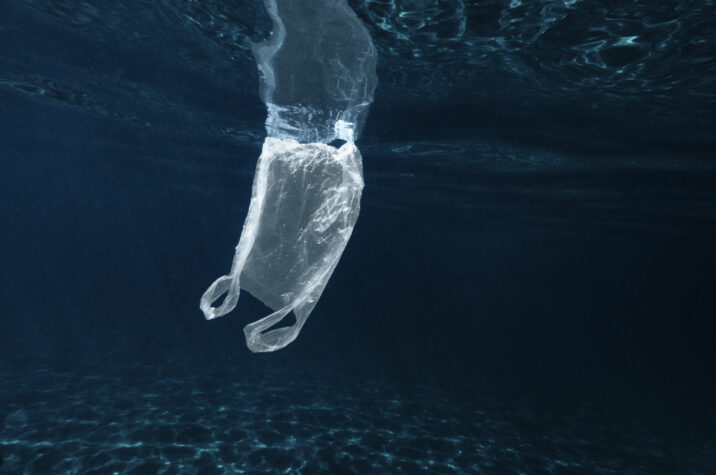
- Protecting Oceans: By recycling plastics, we prevent some of the 8 million tonnes of plastic that enter our oceans each year, safeguarding marine ecosystems.
- Economic Growth: The recycling sector is a job engine, already employing over 147,000 people in the UK.
- Preserving Biodiversity: Recycling metals and paper reduces the need for destructive mining and deforestation.
A Global Call to Action
7 Concrete Changes for World Leaders
To secure our future, the Global Recycling Foundation identifies seven essential steps for governments:
Strengthen global recycling agreements and standardise terminology.
Invest in recycling innovation, research, and eco-friendly product design.
Support local recycling initiatives and promote the eco-friendly trade of materials.
Educate the public on the value of the Seventh Resource.
7 Questions for Your Personal Audit
Change starts with the choices we make at home and in the office. This Global Recycling Day, ask yourself:
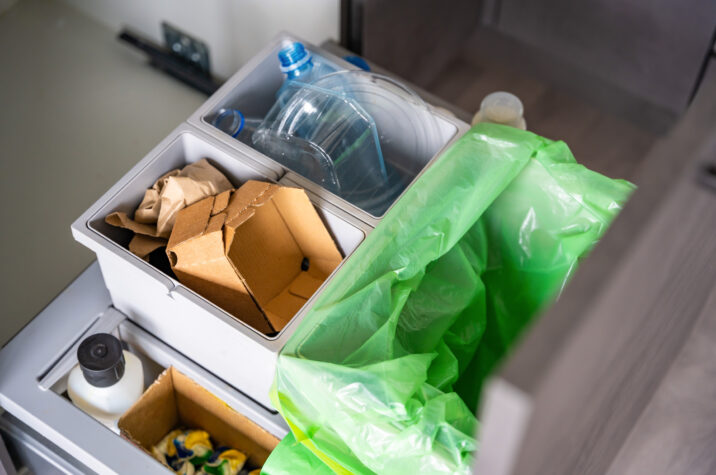
Am I recycling all items properly? (Sorting correctly prevents contamination).
Do I know my local recycling rules?
Do I know where my recyclables go after collection?
Am I repairing and reusing items to extend their lifespan?
Am I actively reducing the amount of waste I produce?
Do I buy from brands that support the circular economy?
Am I supporting better recycling laws and policies?
Bywaters’ Commitment to a Greener London
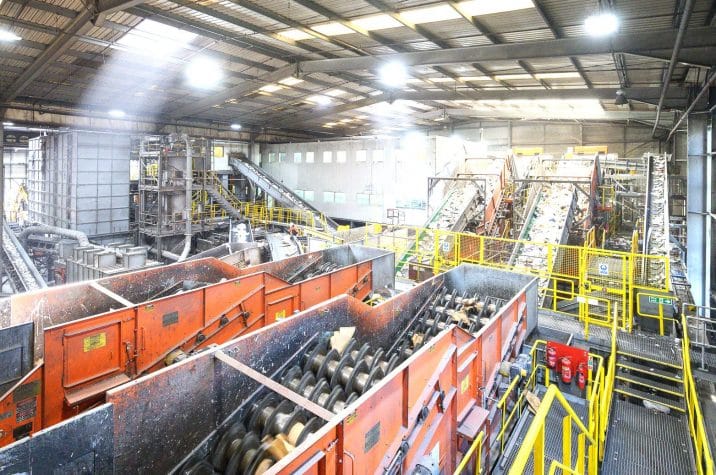
At Bywaters, we do not just talk about the Seventh Resource; we process it. Through our state of the art Materials Recovery Facility (MRF) in London, we ensure that materials are reintroduced into the economy rather than lost to landfills.
From supporting the UK’s goal of a 65% recycling rate by 2035 to navigating new policies like Extended Producer Responsibility (EPR), we are here to help your organisation lead the way.
Join the movement this March 18th. Let us recognise our recycling heroes and treat our planet’s resources with the respect they deserve.
More posts:

Tips to Secure Your Bins & Avoid Damage Charges
Properly positioning and handling your Bywaters bins can help prevent damage, reduce the risk of fly-tipping and keep your waste collection area safe and accessible.
Read more
Community Solutions For Drought Resilience: How Working Together Can Secure Our Water
Discover how communities can build drought resilience through water conservation, sustainable landscaping, education, and local partnerships.
Read more
Reducing Your Water Footprint Beyond The Tap: Simple Ways To Save Water During A Drought
At Bywaters, we put sustainability first, assisting organisations. Reducing hidden water use helps protect water resources, supports ecosystems, and ensures there is enough water for communities and agriculture.
Read more
Share: